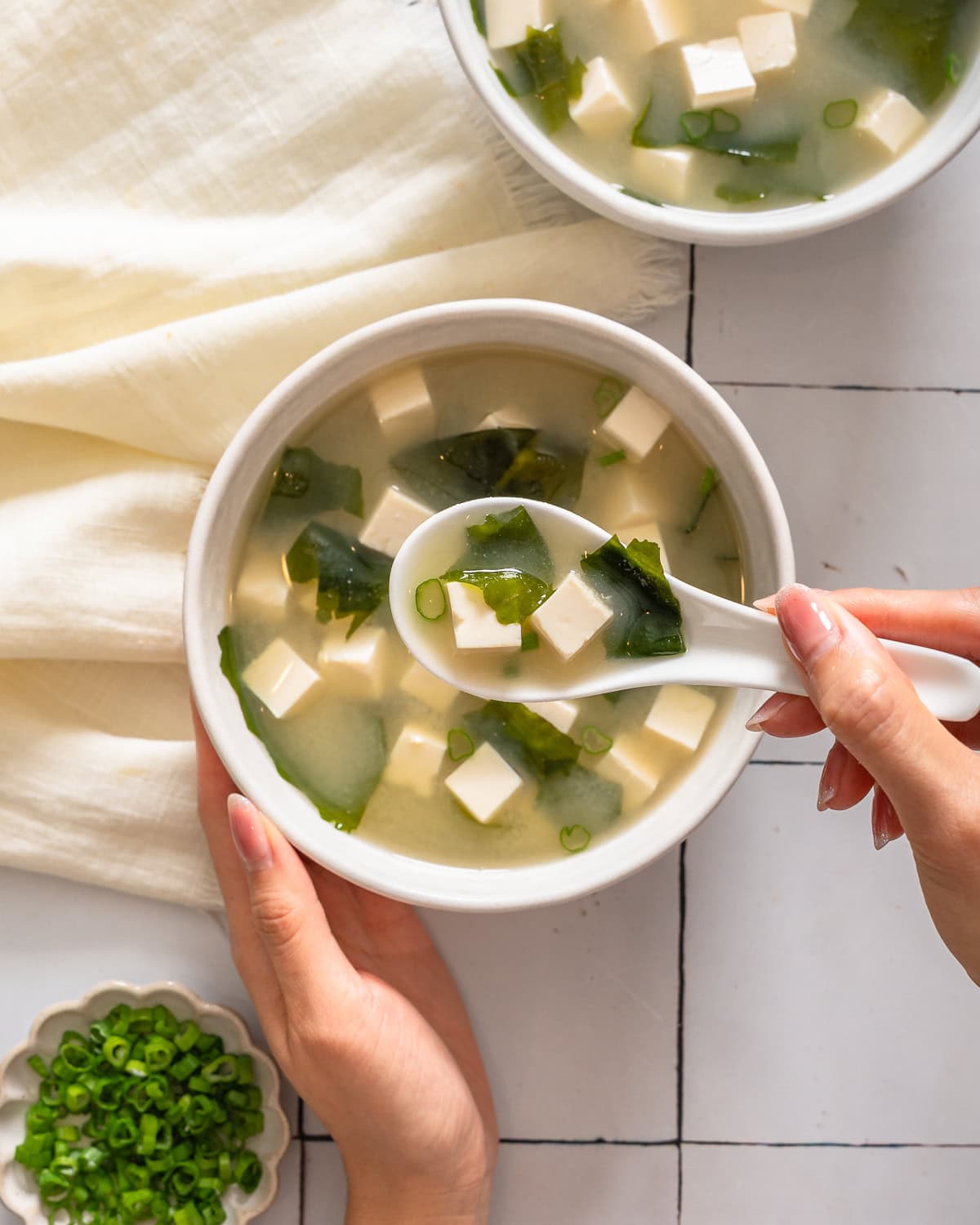
Easy Miso Soup: Authentic Japanese Flavor in Under 10 Minutes
Imagine savoring a warm, comforting bowl of authentic Japanese soup, rich with umami and delicate flavors, all prepared in less than ten minutes. Sound too good to be true? It's not! Miso soup, a cornerstone of Japanese cuisine, is surprisingly simple to make at home, even for the busiest cooks. This classic dish, beloved for its savory depth and satisfying warmth, is more than just a side; it's a comforting embrace in a bowl.
Often considered one of Japan's most iconic dishes, alongside sushi and ramen, miso soup can sometimes feel intimidating to replicate outside of a restaurant setting. However, the truth is, a delicious and traditional homemade miso soup is incredibly accessible. With just a handful of ingredients and a few simple steps, you can bring the soulful warmth and authentic taste of Japan right into your kitchen. Whether it's a quick breakfast to start your day, a light lunch, or the perfect accompaniment to a Japanese-inspired dinner, this easy miso soup recipe promises genuine flavor with remarkable speed.
The Heart of Miso Soup: Dashi and Miso Paste
At the core of every great miso soup lies a harmonious blend of two fundamental ingredients: dashi and miso paste. Understanding these elements is key to unlocking the authentic Japanese flavor profile.
Dashi: The Soulful Broth
Dashi is the basic stock that forms the foundation of countless Japanese dishes, including miso soup. It's renowned for its delicate yet deeply savory umami flavor, which comes from glutamate-rich ingredients. Traditionally, dashi is made by steeping kombu (dried kelp) and simmering katsuobushi (dried bonito flakes) in water. While this traditional method yields an incredibly nuanced broth, modern convenience offers a fantastic shortcut: instant dashi granules.
These granules, widely available in jars or packets, allow you to create a flavorful dashi broth in seconds, making your 10-minute miso soup dream a reality. They vary slightly in strength and specific flavor, so experimenting with different brands can help you find your preferred taste. For this quick recipe, instant dashi is your best friend, delivering that essential authentic base without the time commitment of a homemade stock.
Miso Paste: The Fermented Flavor Bomb
Miso paste is a fermented condiment made from soybeans, typically with salt and koji (a type of fungus). Its flavor profile is incredibly diverse, ranging from sweet and mild to robust and deeply savory, depending on the ingredients used and the fermentation time. Choosing the right miso paste significantly impacts the final taste of your miso soup:
- White Miso (Shiro Miso): This is the most common type for everyday miso soup, offering a sweet, creamy, and mild flavor due to a shorter fermentation period and higher rice koji content. It's an excellent choice for a light and approachable soup.
- Yellow Miso (Shinshu Miso): With a medium fermentation time, yellow miso has a balanced, earthy, and slightly sweet flavor. It sits comfortably between white and red miso in terms of intensity.
- Red Miso (Aka Miso): Fermented for longer, red miso boasts a stronger, saltier, and more robust flavor. It can add a deeper, more assertive character to your miso soup, often preferred in heartier varieties or during colder months.
For a quick, comforting, and generally crowd-pleasing miso soup, white miso paste is highly recommended. It provides a classic, gentle flavor that pairs beautifully with simple add-ins.
Crafting Your Quick Miso Soup: A 10-Minute Recipe
With your dashi and miso paste ready, the rest of the ingredients come together in a flash. This recipe focuses on the classic five-ingredient approach for speed and simplicity, delivering an incredibly satisfying bowl in under ten minutes.
What You'll Need (5 Key Ingredients):
- Dashi: Prepared from instant granules, providing the savory base.
- White Miso Paste: For that sweet, umami-rich flavor.
- Silken Tofu: Adds a soft, delicate texture and a boost of protein. Cubed for easy eating.
- Dried Wakame Seaweed: Rehydrates quickly to offer a subtle oceanic flavor and nutrients.
- Green Onions (Scallions): Sliced thinly for a fresh, pungent garnish.
Step-by-Step Guide:
- Prepare the Dashi (1 minute): In a small saucepan, bring about 3-4 cups of water to a gentle simmer. Add your instant dashi granules according to package instructions (typically 1-2 teaspoons per cup of water) and stir until fully dissolved.
- Add Tofu and Wakame (3 minutes): While the dashi is simmering, add your cubed silken tofu directly into the pot. If using dried wakame, add a small handful now; it will rehydrate quickly in the warm broth. Bring the mixture back to a gentle simmer, but do not allow it to boil vigorously.
- Dissolve the Miso Paste (3 minutes): This is the most crucial step. Turn off the heat or reduce it to its lowest setting. Ladle a small amount of the hot dashi broth into a separate bowl. Add 2-3 tablespoons of white miso paste to this small bowl and whisk it thoroughly until it forms a smooth, lump-free paste. This technique prevents the miso from clumping in the main pot and helps it dissolve evenly.
- Combine and Stir (1 minute): Gently pour the dissolved miso mixture back into the main saucepan. Stir gently to incorporate it into the dashi with the tofu and wakame. It's essential not to boil the soup once the miso paste has been added. Boiling can diminish the delicate flavor of the miso and destroy beneficial probiotics.
- Garnish and Serve (1 minute): Ladle the hot miso soup into individual bowls. Garnish generously with thinly sliced green onions. Serve immediately and enjoy your perfectly authentic and quick miso soup!
This simple method ensures a savory, comforting, and umami-rich bowl of miso soup every time, ready to be enjoyed as a side dish, an appetizer, or even a light meal.
Beyond the Basics: Customizing Your Miso Soup
While the classic five-ingredient miso soup is a perfect starting point, the beauty of this dish lies in its incredible versatility. Across Japan, miso soup comes in countless variations, reflecting regional ingredients, seasonal availability, and household preferences. Once you've mastered the basic technique, feel free to experiment and make it your own.
Consider these ideas for adding your personal touch:
- Vegetable Boost: Enhance your miso soup with finely sliced shiitake mushrooms, spinach, daikon radish, carrots, or even small chunks of potato. Add harder vegetables like carrots or potatoes at the beginning with the dashi, allowing them more time to soften. Softer greens like spinach can be added just before the miso paste.
- Protein Power: For a heartier meal, incorporate cooked chicken, slices of salmon, or even clams. Dishes like Tonjiru (pork miso soup) or chicken miso soup are popular for their protein-rich depth.
- Noodle Fun: Add a handful of glass noodles or thin udon noodles for extra substance.
- Different Miso, Different Flavor: Experiment with yellow or red miso paste for a bolder, more robust flavor profile. Remember that red miso is saltier and more intense, so you might need to adjust the amount used.
- Vegan Twist: For a completely plant-based miso soup, use a vegetarian dashi made from kombu and dried shiitake mushrooms instead of bonito flakes.
These variations transform your simple miso soup into an entirely new experience. Whether you prefer the deep, robust flavor of Akadashi or a seasonal spin like clam miso soup, the possibilities are endless. For more creative ideas and to dive deeper into traditional methods and diverse preparations, explore our article on Authentic Miso Soup: Master Japanese Methods & Creative Variations.
Why Miso Soup is More Than Just a Side Dish
Miso soup holds a significant place in Japanese culture and cuisine, far beyond its role as a mere accompaniment. It's often considered one of the cornerstones of a traditional Japanese meal, served alongside steamed rice to create a perfectly balanced pairing, both nutritionally and culturally.
Culturally, sipping warm miso soup in the morning is a common ritual, seen as an essential start to the Japanese day. It's a dish that embodies comfort, warmth, and nourishment, suitable for any time of day.
From a nutritional perspective, miso soup offers several benefits:
- Probiotics: The fermented miso paste is a source of beneficial probiotics, which can support gut health (provided the soup is not boiled after the miso is added).
- Nutrients: Wakame seaweed is rich in minerals like iodine, and tofu provides plant-based protein.
- Hydration and Warmth: A warm broth is naturally comforting and hydrating, making it an excellent choice for a light meal or to soothe you on a chilly day.
- Umami Satisfaction: The rich umami flavor provides a deep sense of satisfaction, making a light meal feel more fulfilling.
Its versatility means it can be a light appetizer before a sushi night, a comforting side to a hearty chicken teriyaki, or a soulful, complete meal when loaded with vegetables and protein.
Conclusion
Miso soup is a testament to the idea that some of the most profound flavors can come from the simplest preparations. In under ten minutes, you can create an authentic, warm, and incredibly comforting Japanese miso soup that rivals anything you'd find in a restaurant. By understanding the roles of dashi and miso paste, and following a few crucial steps, you're not just making a dish; you're bringing a piece of Japanese culinary tradition and wellness into your home. So, gather your ingredients, embrace the ease, and prepare to be delighted by this wonderfully savory and satisfying bowl. Your journey to quick, authentic Japanese flavor starts now!
