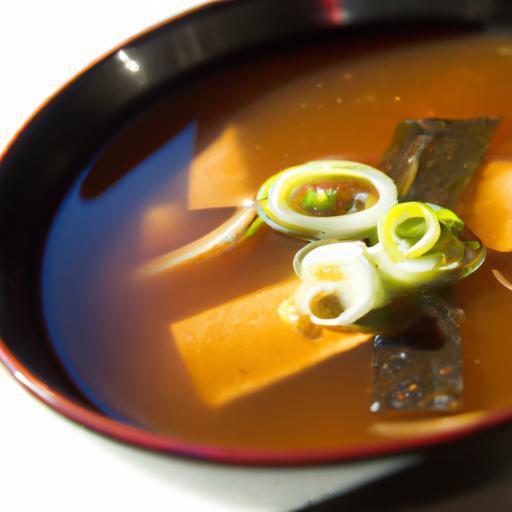
Authentic Miso Soup: Master Japanese Methods & Creative Variations
There are few dishes as universally beloved and quintessentially Japanese as a warm, comforting bowl of
miso soup. More than just a simple broth, it's a cornerstone of Japanese cuisine, a daily staple that offers a delicate balance of savory umami, rich aroma, and wholesome ingredients. While its reputation might suggest complexity, the truth is that mastering authentic
miso soup is surprisingly straightforward, and with a few key principles, you can recreate this iconic dish in your own kitchen in under 10 minutes.
From its humble beginnings as a side dish to its evolution into countless regional and household variations,
miso soup truly embodies the spirit of Japanese culinary artistry. It's a testament to how simple, quality ingredients can combine to create something profoundly satisfying, offering warmth, nourishment, and a taste of tradition with every spoonful. This article will guide you through the essential elements of preparing a classic bowl, then inspire you to explore its endless creative possibilities.
The Heart of Miso Soup: Understanding Dashi Broth
At the very core of any authentic Japanese
miso soup lies
dashi. This fundamental broth is the backbone of countless Japanese dishes, providing that distinctive umami depth that is both delicate and incredibly flavorful. Without a good dashi, your
miso soup will lack its characteristic savory richness.
Traditionally, dashi is made by steeping dried kelp (
kombu) and shaved dried bonito flakes (
katsuobushi) in hot water. The process is simple:
kombu is gently heated to release its glutamates, followed by the addition of
katsuobushi, which quickly infuses the broth with its smoky, oceanic notes. The resulting liquid is a clear, aromatic, and deeply umami-rich stock that is the perfect canvas for
miso soup.
While making dashi from scratch offers the purest flavor, modern convenience allows for excellent alternatives. Instant dashi granules, widely available in Japanese markets and increasingly in mainstream grocery stores, are a home cook's best friend. These granules, often made from concentrated
kombu and
katsuobushi extracts, dissolve quickly in hot water, providing authentic dashi flavor in seconds. They vary in strength, so always follow package instructions and adjust to your taste – if you desire a stronger stock, simply add a bit more dashi. Whether you opt for homemade or instant, understanding and appreciating dashi is the first step to truly mastering your
miso soup. For a deeper dive into harnessing this vital component, check out our guide:
Unlock Umami: Crafting Delicious Miso Soup with Dashi & Miso Paste.
The Soul of Miso Soup: Choosing Your Miso Paste
If dashi is the heart, then miso paste is undoubtedly the soul of the soup. Miso, a fermented paste made from soybeans, salt, and often rice or barley, is what gives
miso soup its name and much of its unique character. But not all miso is created equal. Depending on the ingredients, fermentation time, and region, miso paste can range dramatically in flavor, color, and texture.
Here are the main types you’ll encounter:
- White Miso (Shiro Miso): Typically fermented for a shorter period, shiro miso is lighter in color, sweeter, and milder in flavor. It often contains a higher proportion of rice koji, giving it a subtle sweetness and creamy texture. It's an excellent choice for a delicate, everyday miso soup.
- Yellow Miso (Shinshu Miso): A versatile middle-ground, yellow miso has a slightly longer fermentation time than white miso, resulting in a more robust flavor that is still relatively sweet and earthy. It’s a popular choice for a balanced miso soup.
- Red Miso (Aka Miso): Fermented for the longest duration, red miso is dark in color, intensely savory, and deeply umami-rich, with a strong, salty flavor. It’s perfect for hearty soups or for those who prefer a bold, robust taste.
Choosing the right miso makes a significant difference in your
miso soup’s final flavor profile. Many Japanese households even blend different types of miso to achieve a custom balance. Don't be afraid to experiment to find your favorite, or even combine a little white and red miso for a nuanced depth.
Mastering the Authentic Method: A 10-Minute Classic
The beauty of a traditional
miso soup recipe lies in its elegant simplicity and speed. You can achieve an incredibly satisfying, authentic bowl in less than 10 minutes with just five core ingredients.
Here’s the timeless home-style method:
- Prepare the Dashi: Begin by gently heating your dashi broth in a saucepan. If using instant dashi granules, dissolve them in hot water according to package directions.
- Add Your Staples: Once the dashi is hot (but not boiling), add your solid ingredients. The classic choice includes small cubes of silken tofu and rehydrated wakame seaweed. The wakame will expand significantly, so start with a small amount.
- Dissolve the Miso Paste: This is the most crucial step. Once the tofu and wakame are heated through, turn off the heat or reduce it to its lowest setting. Crucially, never boil miso paste. Boiling destroys the delicate aroma, probiotics, and nuanced flavor of the miso. Take a small ladle of the hot dashi, place the miso paste in a strainer or small bowl, and gradually whisk or dissolve the miso into the dashi. This creates a smooth slurry before incorporating it into the main pot.
- Combine and Serve: Gently stir the dissolved miso back into the main dashi pot. Taste and adjust if necessary – add a little more dashi for a lighter stock or more miso for a stronger flavor. Garnish with thinly sliced green onions (scallions) just before serving.
This method yields a savory, comforting, and umami-rich soup that pairs perfectly with any Japanese-inspired meal, from a sushi night at home to a simple bowl of steamed rice. For a detailed step-by-step guide to this rapid preparation, explore our dedicated article:
Easy Miso Soup: Make Authentic Japanese Flavor in Under 10 Minutes.
Beyond the Basics: Creative Miso Soup Variations
While the classic
miso soup is a masterpiece in itself, its true versatility shines through the countless variations found across Japan and in modern kitchens worldwide. Once you've mastered the basic technique, the possibilities for customization are endless.
Consider these exciting variations:
- Vegetable-Rich Miso Soup: Incorporate seasonal or local vegetables like daikon radish, carrots, spinach, mushrooms (such as shiitake or enoki), or even potatoes. Adding them earlier in the cooking process allows them to soften and release their flavors into the dashi.
- Hearty Protein Additions: For a more substantial meal, transform your miso soup into a main dish. Try adding thinly sliced chicken breast, salmon pieces, or a few clams. Tonjiru (pork miso soup) is a beloved hearty version, featuring thinly sliced pork belly and root vegetables, perfect for colder days.
- Alternative Broths: While dashi is standard, you can experiment with different bases. A shiitake mushroom dashi, made by steeping dried shiitake, offers a wonderful earthy, vegan-friendly alternative.
- Noodle Soups: Incorporate glass noodles or thin udon for a more filling soup. Ensure the noodles are cooked separately or added at the right time to avoid overcooking.
- Vegan Miso Soup: Easily made by using a plant-based dashi (kombu dashi or shiitake dashi) and ensuring your miso paste is vegan (most are, but always check labels). Add-ins like extra tofu, mushrooms, and various vegetables make for a soulful and satisfying plant-based meal.
The key to successful variation is to balance the added ingredients with the delicate flavor of the dashi and miso. Think about textures, colors, and complementary flavors to create a harmonious and satisfying bowl.
Miso Soup in Japanese Culture: More Than Just a Dish
In Japan,
miso soup is far more than just a culinary item; it's a cultural touchstone. It's one of the cornerstones of traditional Japanese dining, often served alongside a bowl of steamed Japanese rice, grilled fish, and other side dishes. This pairing isn't just about taste; it’s a perfectly balanced combination both nutritionally and culturally, forming the foundation of a traditional Japanese meal.
For many, sipping warm
miso soup in the morning is the quintessential start to a Japanese day, providing comforting warmth and nourishment. It’s a versatile companion that can be enjoyed as a side dish, an appetizer, or even as a light meal on its own. Its presence at the table symbolizes comfort, balance, and the rich culinary heritage of Japan. The simple act of preparing and sharing a bowl of
miso soup connects one to generations of tradition and the timeless art of Japanese home cooking.
Conclusion
From its simple five-ingredient classic form to its myriad of creative variations,
miso soup stands as a testament to the depth and versatility of Japanese cuisine. Understanding the critical roles of dashi and miso paste, and mastering the gentle technique of dissolving the miso, are your keys to unlocking truly authentic flavors. Whether you're seeking a quick, comforting appetizer or a hearty, customized meal,
miso soup offers endless possibilities. So, gather your ingredients, follow these methods, and embark on your own delicious journey into the world of this beloved Japanese staple. Your palate (and your stomach) will thank you!